 2026 ASEAN Circular Economy Forum (ACEF 2026)
Closing the Loop, Unlocking the Future: Thriving in a Resource-Challenged World
Welcome to the official live broadcast of the 2026 ASEAN Circular Economy Forum (2026 ACEF) in Bangkok. Advancing ASEAN's economic competitiveness, resource resilience, and regional market integration. Follow today's high-level opening remarks, ministerial perspectives, competitiveness panels, and structured partner networking.

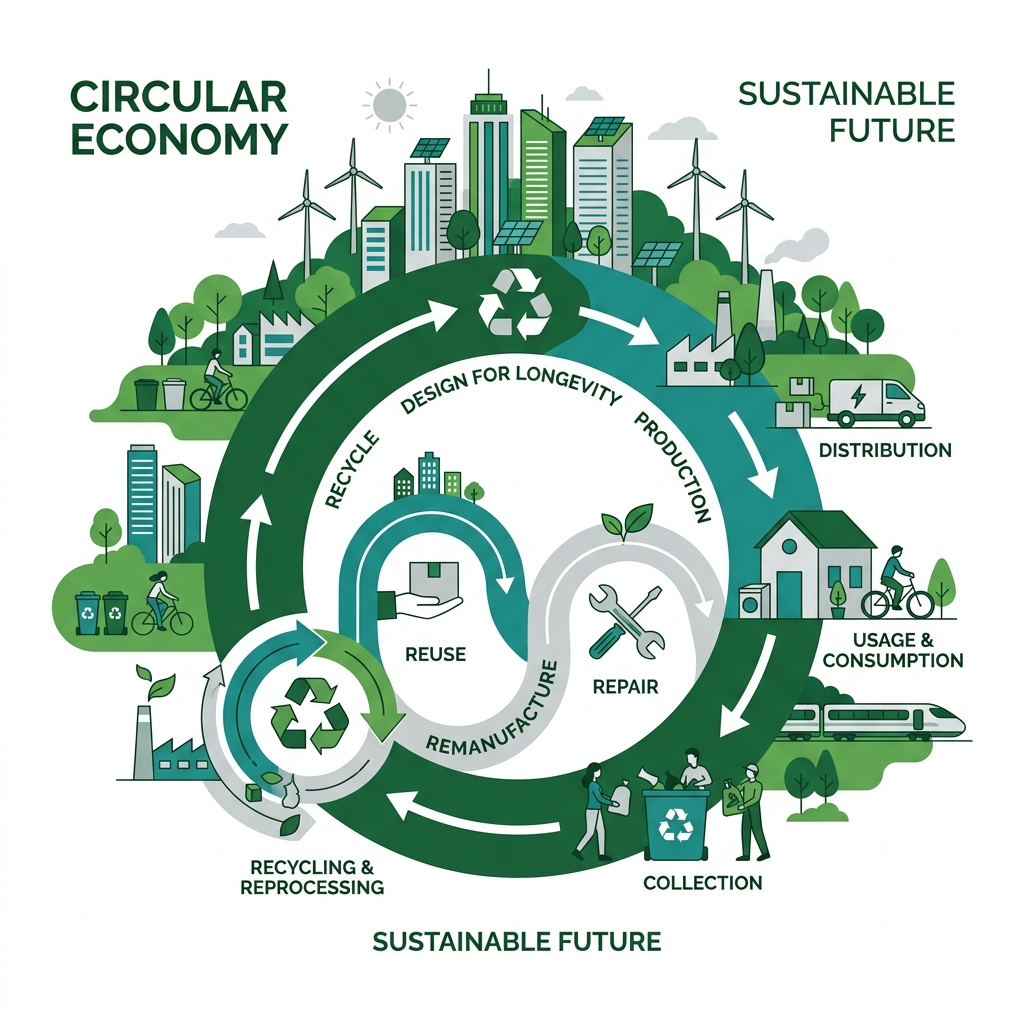
Understanding the background, strategic frameworks, and systemic transition to a circular ASEAN.
ASEAN's economic growth has contributed significantly to poverty reduction, industrial development, and regional integration. However, this growth continues to depend heavily on a linear economic model of resource extraction, production, consumption, and disposal. Rising resource demand, increasing waste generation, climate disruptions, and growing competition for critical materials expose ASEAN Member States (AMS) to new economic vulnerabilities. Resource security, supply chain resilience, and access to strategic raw materials are essential determinants of regional competitiveness and long-term sustainable development.
How can ASEAN thrive in a resource-constrained world while maintaining sustainable growth, competitiveness, and social well-being?
Building on previous forums in Indonesia (2023), Thailand (2024), and Malaysia (2025), and connecting with the 2026 Philippine Regional Dialogue on Circular Economy (RDCE), ACEF 2026 is organised by ACESP at the ACSDSD in coordination with the ASEAN Secretariat, SEI, GGGI, Team Finland, ITC, and regional partners. The Forum translates regional frameworks—including the ASEAN Community Vision 2045 and ATIGA 2.0—into practical action, secondary material markets, and inclusive enterprise scaling.
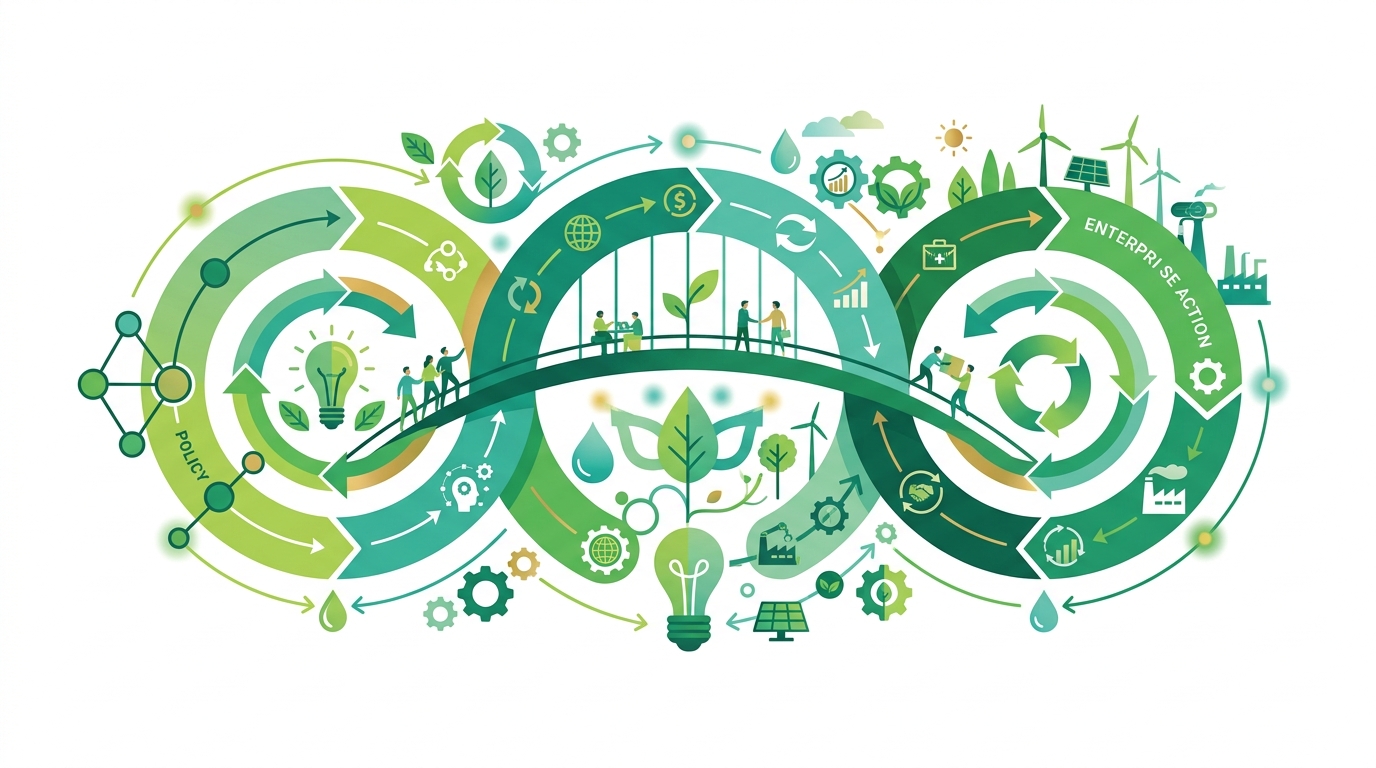
Bridging regional policy reflection into practical delivery, enterprise scaling, and market solutions.
Serving as a strategic follow-up platform to the 2026 ASEAN Regional Dialogue on Circular Economy (RDCE) under the Philippine ASEAN Chairship, ACEF 2026 bridges the gap between high-level policy dialogue and concrete implementation.
Together, the RDCE and ACEF 2026 establish a complementary policy-to-implementation continuum: RDCE provides the space for policy stocktaking and developing draft elements for the ASEAN Circular Economy Action Agenda, while ACEF 2026 mobilises businesses, investors, MSMEs, academia, and development partners to translate regional priorities into operational market pathways.
Regional forum for policy reflection, implementation stocktaking, and identifying emerging governance priorities across ASEAN Member States.
Multi-stakeholder delivery platform translating regional recommendations into practical market solutions, enterprise scaling, and investments.
Focusing on strategic foundations: regional policy architecture, policy coherence, industrial productivity, secondary raw materials markets, and structured cross-sector speed networking.
Focusing on practical delivery: MSME circular transformation, digital solutions and governance (Digital Product Passports), unlocking investment & blended finance, and inclusive skills transition (GESI).

Explore sessions across the 2-day main forum and partner side events. The program structure connects strategic policy leadership to market solutions, investment mobilisation, digital governance, and inclusive enterprise growth. Click any session card for detailed focus topics and speaker panels.
Participant registration, distribution of official conference materials, and morning networking.
High-level remarks by MFA Thailand, Ambassador of Denmark to ASEAN, ASOEN Chair (Philippines), and Deputy Secretary General of ASEAN, followed by the official group photo.
High-level dialogue on regional strategic direction, CSIRO keynote on emerging CE trends, Philippines EPR policy showcase, and panel discussion on translating ambition to implementation.
Exploring how circular models strengthen industrial productivity, resource efficiency, and supply chain resilience in response to global regulations (SWITCH-Asia, WEF, UNESCAP, EU-ABC, Bualuang Securities).
Developing regional remanufacturing ecosystems, cross-border trade facilitation, quality standards, warranty frameworks, and Green Public Procurement (ASEAN Sec., ERIA, ITC, ISPAE Vietnam).
Targeted 10-minute speed networking rotations connecting governments, businesses, green investors, and MSMEs across 10 champion partner stations (BlueOrchard, InfraBlocks, Circulate Capital, WEF, DENR, SIMA, Switch Asia).
Official welcome reception for invited delegates, speakers, ambassadors, and partner representatives.
*The participation of certain resource persons and contributing organisations in the programme remains subject to confirmation.
08:45–09:00: Recap of Day 1 insights (ACSDSD); 09:00–09:20: Welcoming remarks by EU Delegation (TBC) and Mr. Steven Tan, President of SM Supermalls (Pioneer of CE in ASEAN from Philippines).
Just transition, GESI, and integrating MSMEs and informal actors (e-waste, bio-energy) into circular systems with PatiHoub Laos, Thai Tapioca Starch Assoc., Blue Ocean Plastic, and Indonesia MSME Ministry / ACCMSME.
Showcasing practical MSME circular business models, community innovations, and trade access with ACCMSME (TBC), ITC Green Value Chains, TULIP Consulting, ASEAN Centre for Biodiversity (ACB), and ARC Vietnam.
Common circular data frameworks, Digital Product Passports (DPP), traceability platforms, AI/IoT, and GovTech data governance with Wuppertal Institute, Sirsak Indonesia, ITU Asia-Pacific, and cBrain Denmark.
Mobilising private capital, blended finance, green bonds, ASEAN Taxonomy alignment, and bankable pipeline development with SEC Thailand (ASEAN Taxonomy Board), Circulate Capital, ADB (TBC), TAF-GTEI, and IFC.
16:35–17:30: Identifying 3–5 year regional priorities and consolidating recommendations for FG-CE and ASEAN policymakers; 17:30–17:40: Formal closing remarks by ACSDSD.
*The participation of certain resource persons and contributing organisations in the programme remains subject to confirmation.
In-person workshop co-hosted by ITC and ASEAN Secretariat (ESED)/ACCMSME on circular trade linkages, SME solutions, trade policy instruments, and group policy exercises.
Scaling circular textile solutions, industrial symbiosis, and business models in ASEAN with Lindström Group, SC Grand, Moreloop, GIZ, Stelapop, RiverRecycle, KONE, and EU Delegation.
Interactive workshop by EU CERC, Sitra, Finnish Embassy, and CEA on ecodesign principles, DPP compliance, hands-on readiness assessment tools, and regional peer exchange.
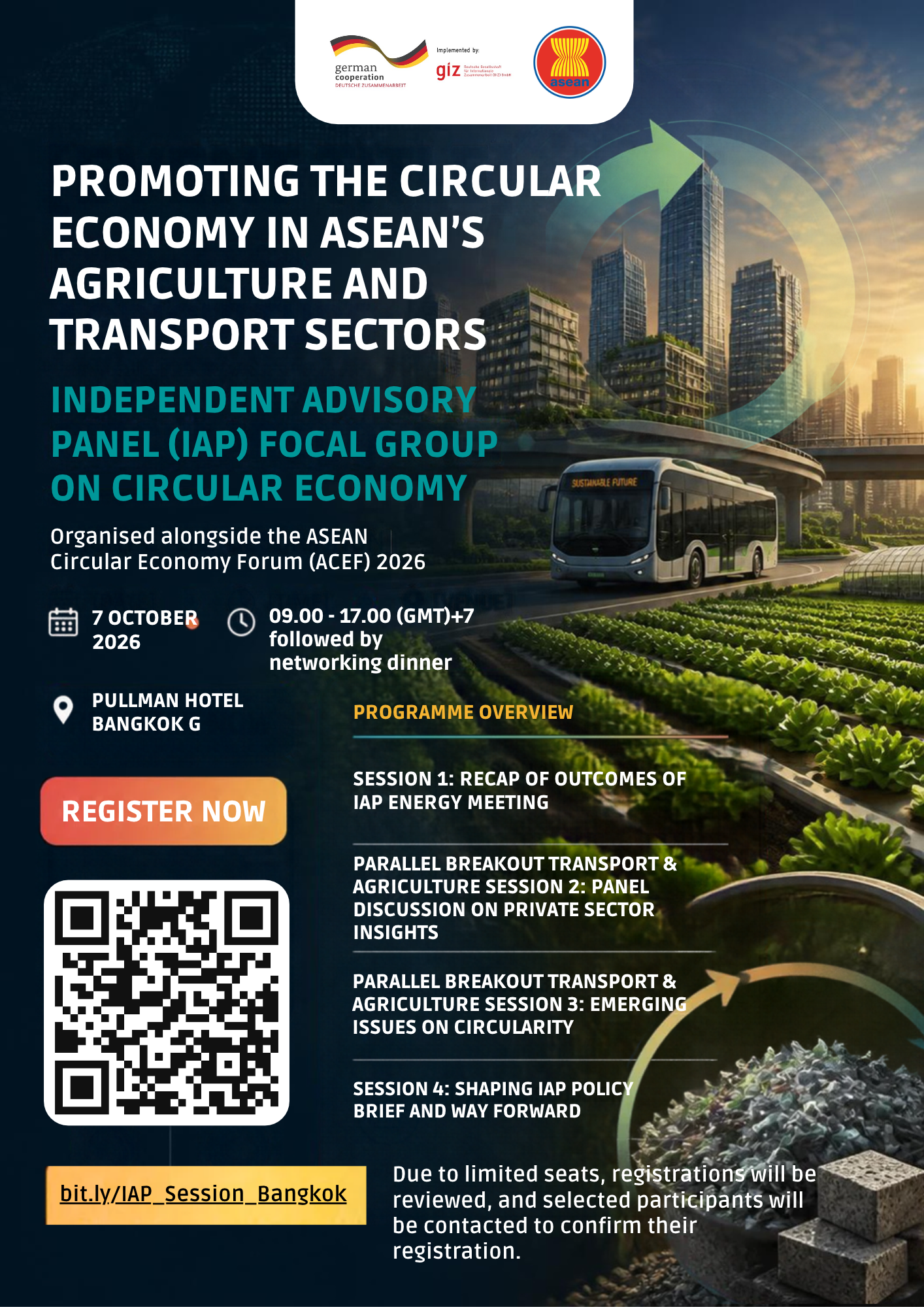
Convened by Industry Advisory Panel (IAP) under ASEAN FG-CE. Parallel breakout tracks on green shipping/SAF/EVs and agri-waste/biomass upcycling/standards, followed by networking dinner (18:00–19:30) at Pullman Bangkok Hotel G.
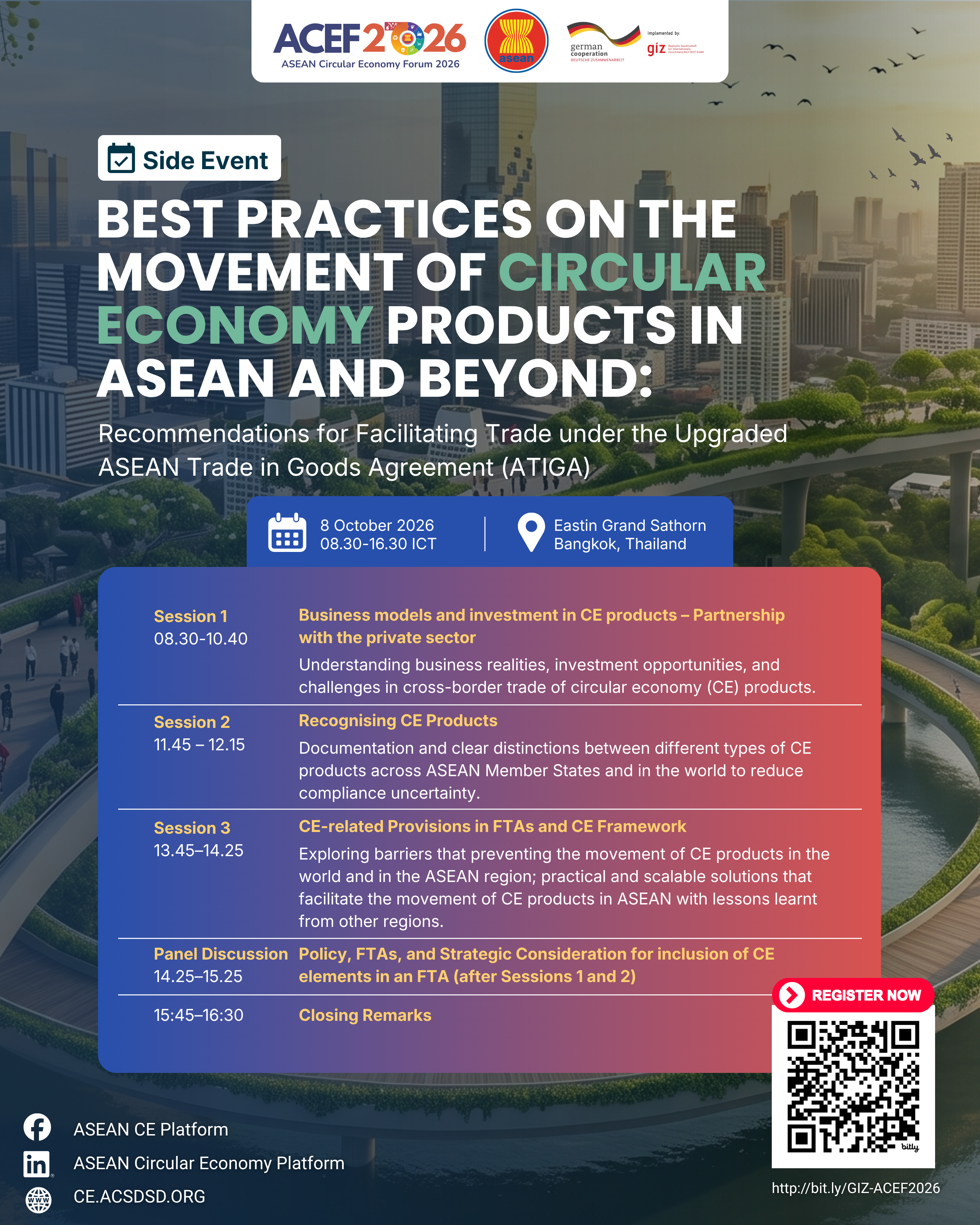
Seminar on trade facilitation under upgraded ATIGA, business models, private sector partnerships, product recognition standards, and FTA provisions with ASEAN Secretariat and GIZ.
Meet the regional policymakers, international sustainability leaders, industry pioneers, and financial innovators driving ASEAN’s circular economy transition at ACEF 2026.
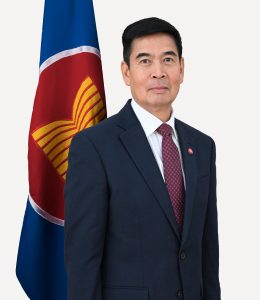
H.E. San Lwin is the Deputy Secretary-General of ASEAN for the ASEAN Socio-Cultural Community (ASCC). In this high-level capacity, he provides strategic leadership and coordination across regional environmental sustainability, climate change, circular economy frameworks, culture, education, and social development across the ten ASEAN Member States.
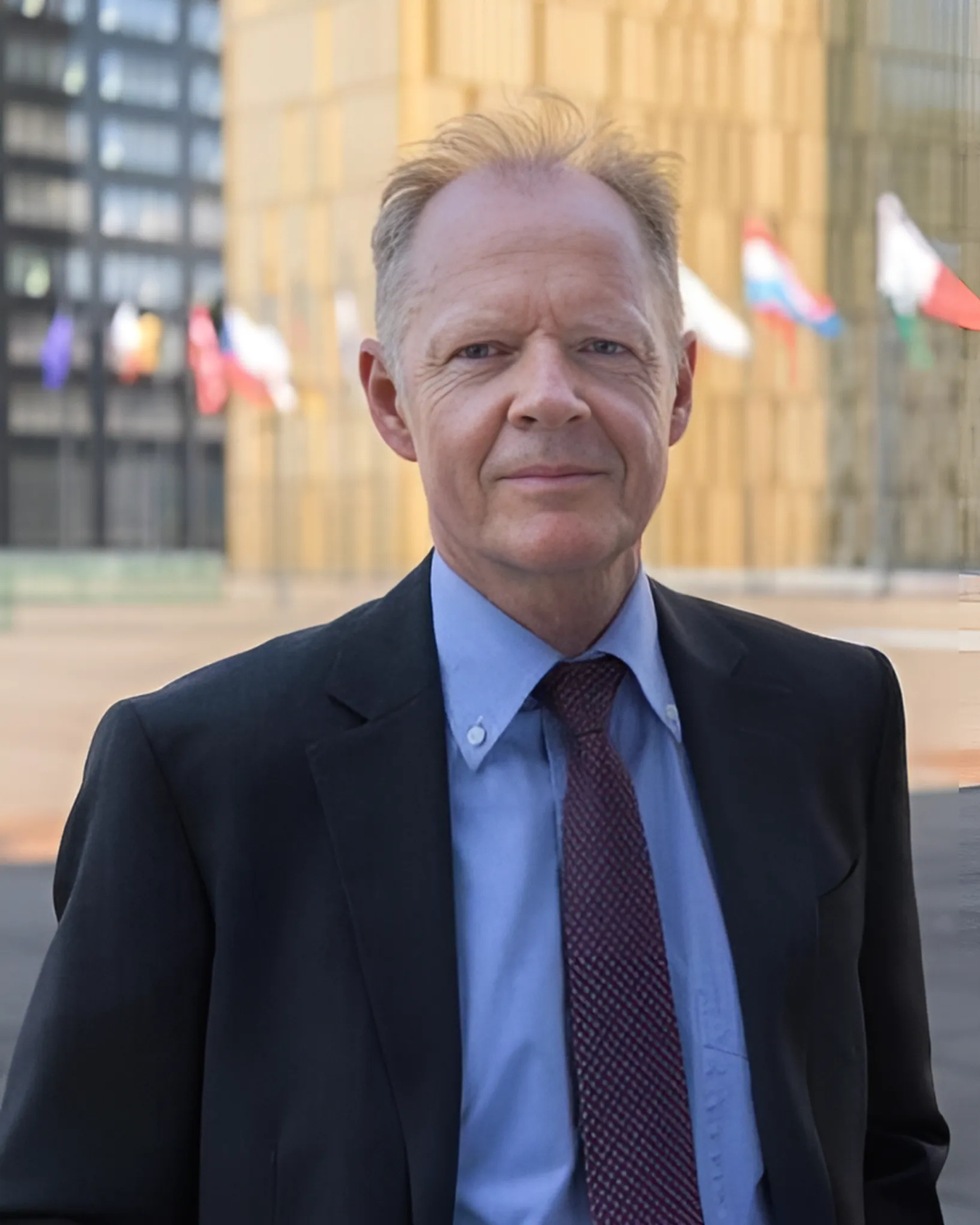
H.E. Sten Frimodt Nielsen is the Ambassador of Denmark to ASEAN. He spearheads Danish and Nordic multilateral diplomatic engagements with ASEAN, facilitating bilateral and regional cooperation on green transition, renewable energy integration, circular economy solutions, and climate resilience partnerships.

H.E. Mrs. Chatvadee Chindawongse is Deputy Director-General of the Department of ASEAN Affairs at the Ministry of Foreign Affairs of Thailand. She actively drives Thailand’s regional cooperation initiatives in sustainable development and the ASEAN Centre for Sustainable Development Studies and Dialogue (ACSDSD).
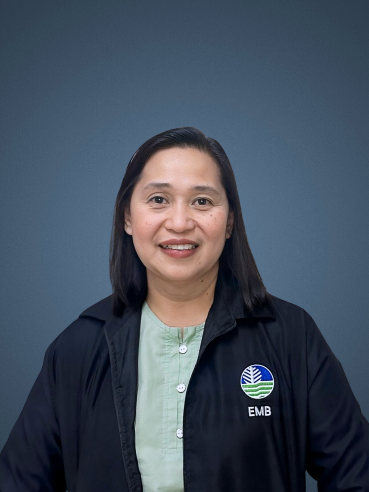
Atty. Jonas R. Leones is Undersecretary for Policy, Planning and International Affairs at the Department of Environment and Natural Resources (DENR) of the Philippines and currently serves as the Chair of the ASEAN Senior Officials on the Environment (ASOEN), leading regional policy harmonization on environmental protection and circular economy.
Dr. Latifahaida Abdul Latif is Assistant Director of Analysis and Monitoring at the Finance and Socioeconomic Issues Division of the ASEAN Secretariat, coordinating regional economic research and circular economy policy monitoring.
Dr. Alessio Miatto is a leading industrial ecology and circular economy specialist at CSIRO, delivering the keynote on ASEAN circular trends, resource productivity, material flow analysis, and green economic competitiveness.
Maria Delia Cristina M. Valdez is Executive Director of the National Solid Waste Management Commission Secretariat and Chief of the Solid Waste Management Division in concurrent capacity at DENR-EMB. With over 30 years of environmental governance experience, she leads the national implementation of the Extended Producer Responsibility (EPR) Act of 2022 in the Philippines.

Ms. Marleena Ahonen (M.Sc.Tech.) is a circular economy specialist at Sitra with nearly a decade of experience advancing global circular business models. Her work focuses on international partnerships, business competitiveness opportunities, and European circular policies including Ecodesign (ESPR) and Digital Product Passports.
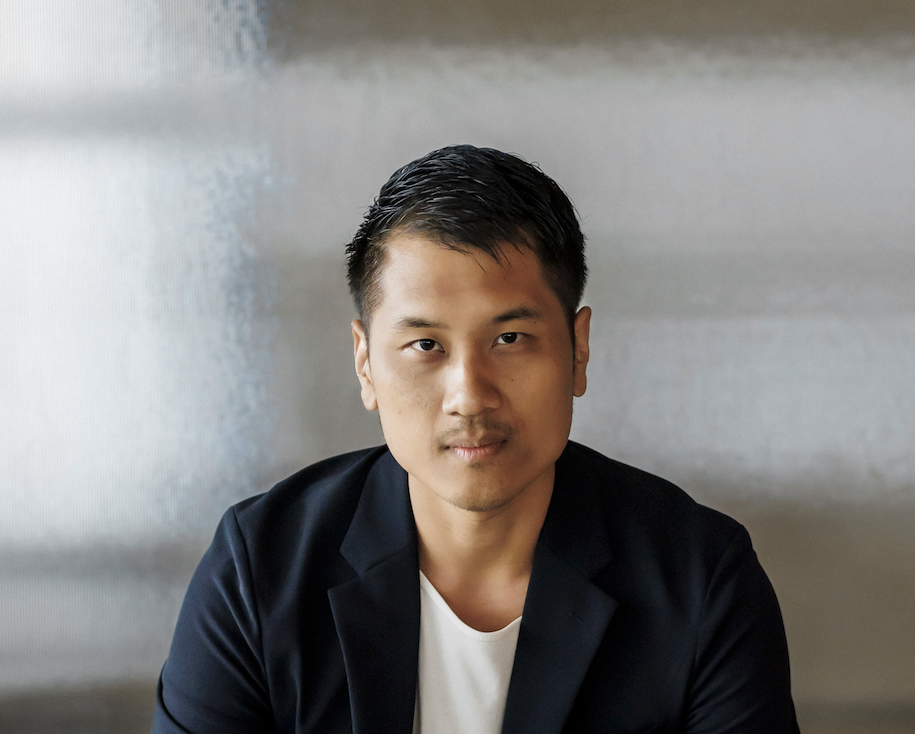
Dr. Piya Kerdlap is the Founder and Managing Director of PXP Sustainability and expert member of the ESCAP Sustainable Business Network (ESBN) Circular Economy Task Force. He specializes in Life Cycle Assessment (LCA), circularity indicators, corporate environmental footprinting, and sustainable product design.
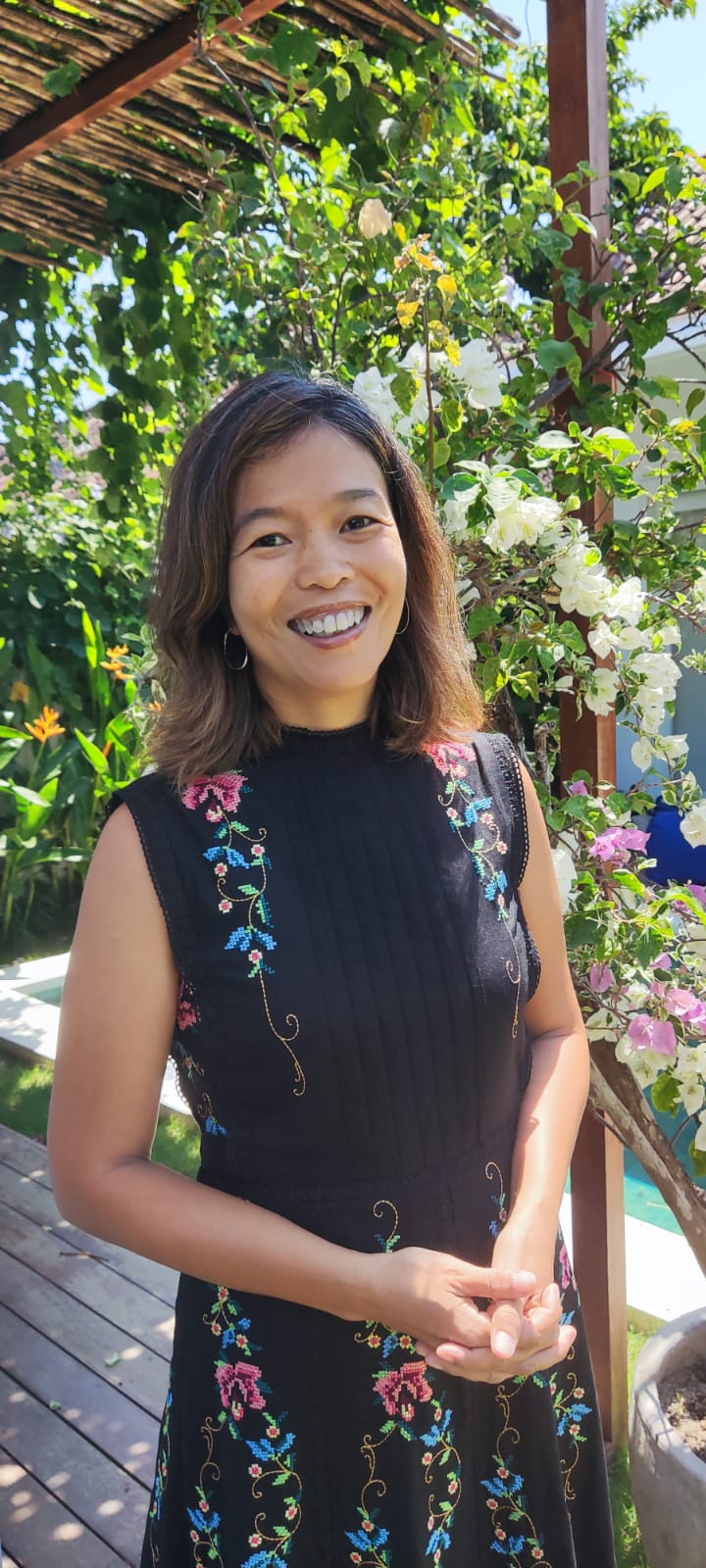
Ms. Imelda “Dada” Bacudo is a climate finance and agrifood systems expert who has spent over two decades across Southeast Asia bridging international climate ambition with real-world action. She currently serves with the UN FAO supporting regional multi-stakeholder financing mechanisms and circular agrifood systems.
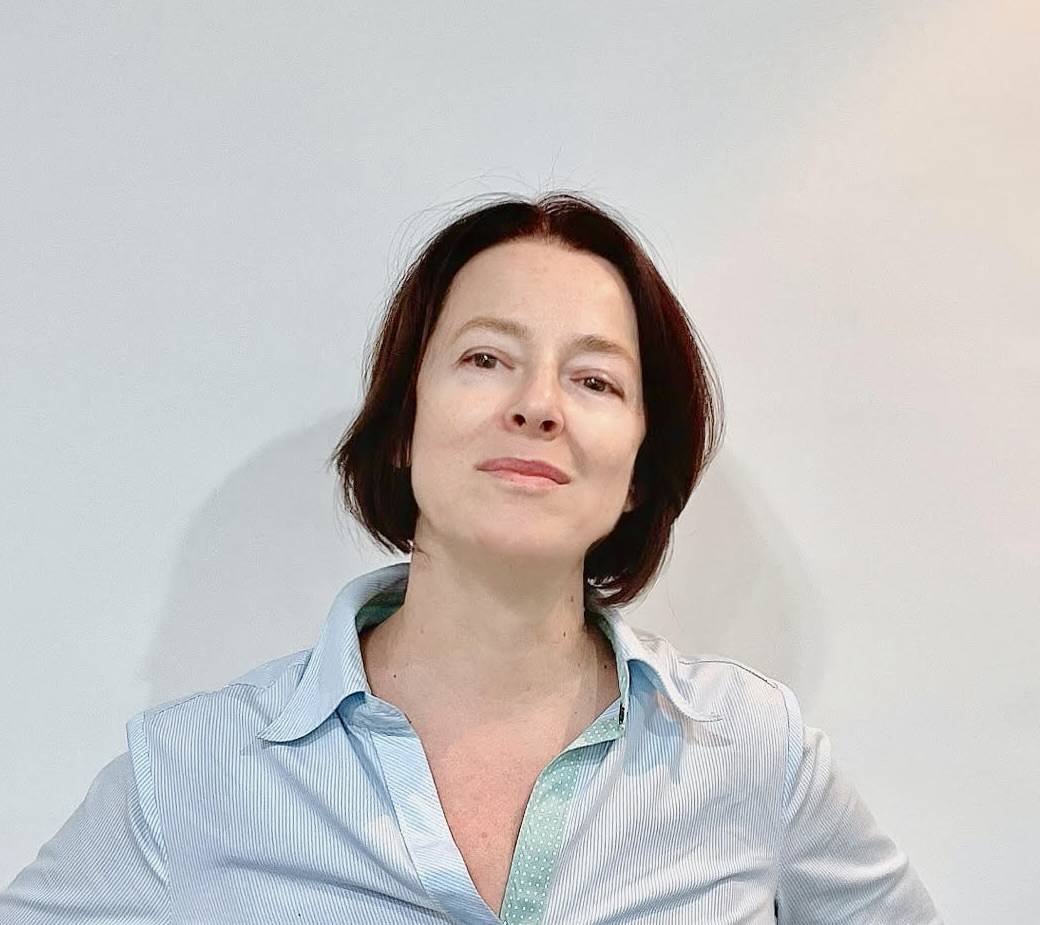
Dr. Zinaida Fadeeva is Team Leader of the Policy Support Component of the SWITCH-Asia Programme with 25+ years leading international policy and practice in sustainable consumption and production (SCP). She has advised national ministries and international agencies across Asia and globally.
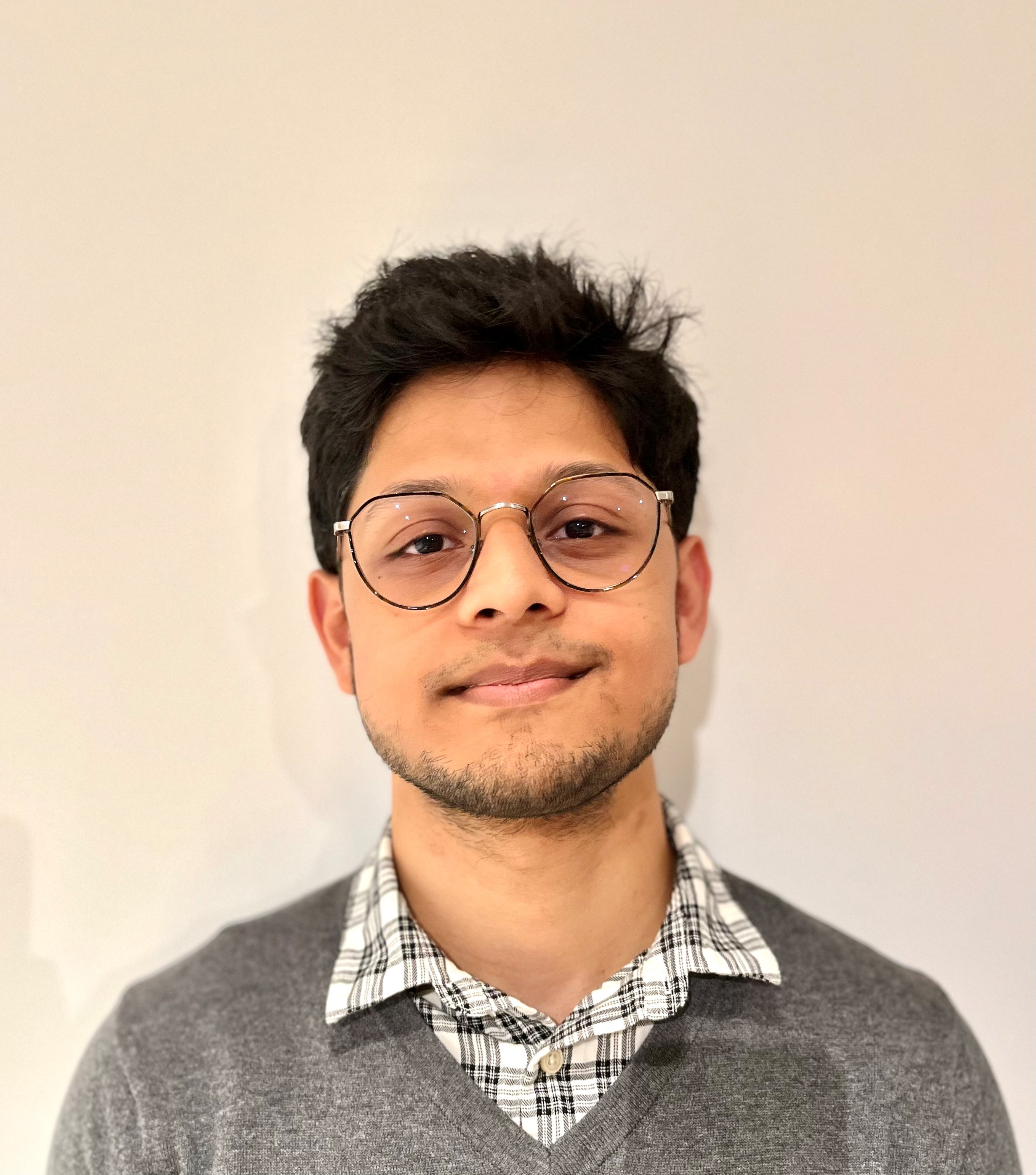
Mr. Jeet Kar leads global circularity engagement at the World Economic Forum, focusing on business coalitions, trade policy integration, and private sector decarbonization. He previously worked at the United Nations and OECD.
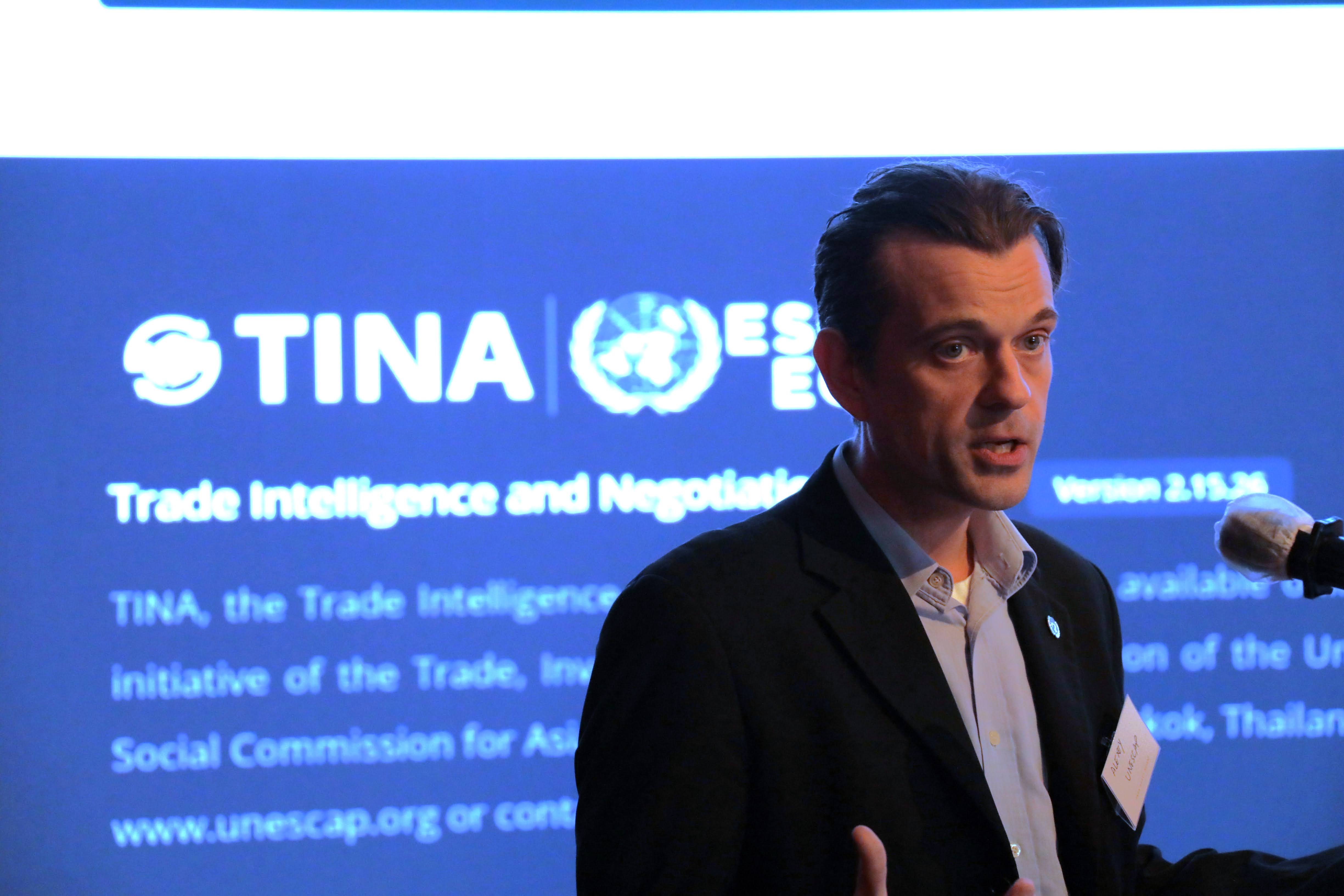
Dr. Alexey Kravchenko is an Economic Affairs Officer in the Trade Policy and Facilitation Section at UNESCAP. His work focuses on applied trade research, paperless trade facilitation, and supply chain resilience across the Asia-Pacific region.
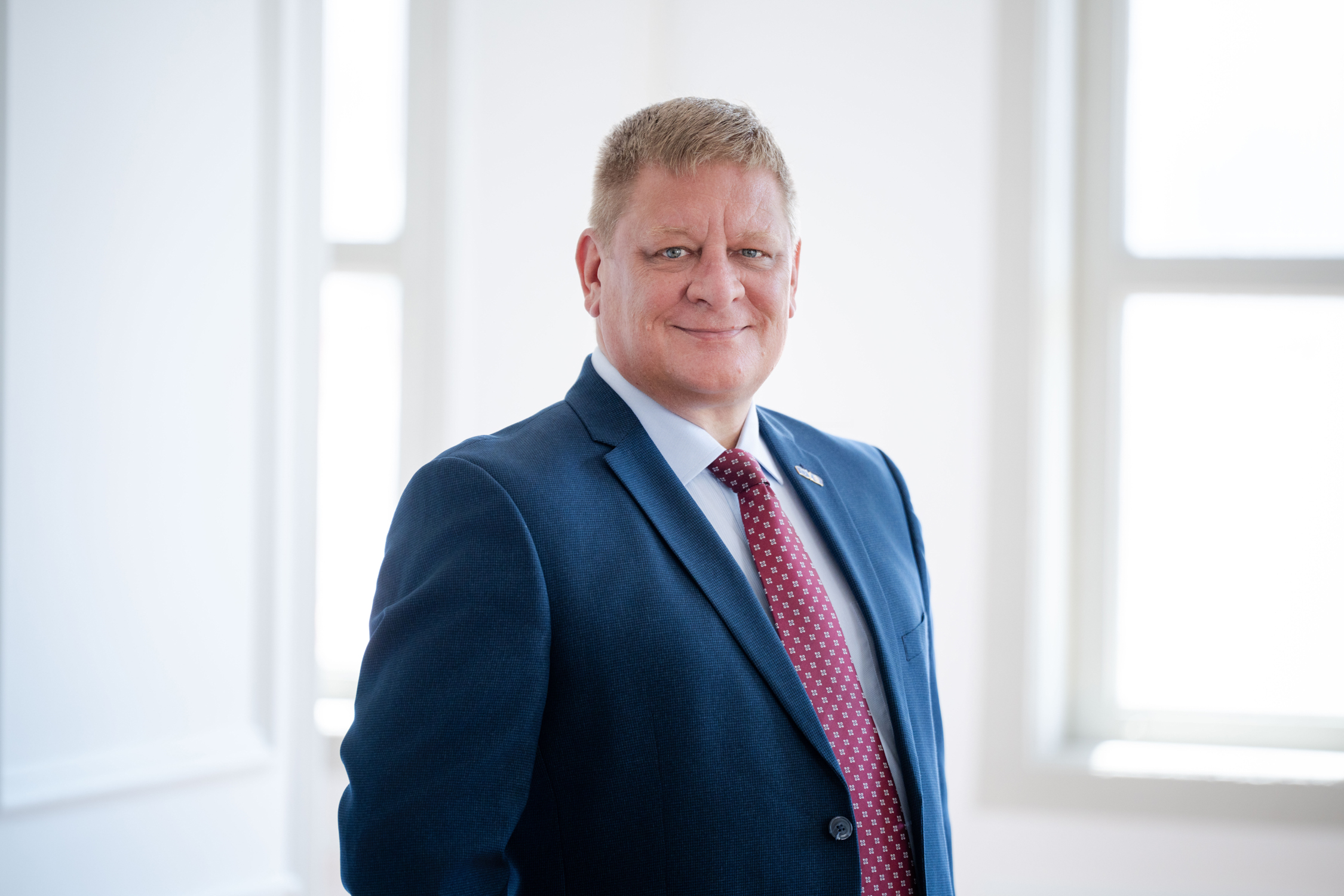
Mr. Chris Humphrey is Executive Director of the EU-ASEAN Business Council with over 30 years of business development and government relations experience across Asia, leading European private sector dialogues on trade integration, ESG compliance, and green economy investment.
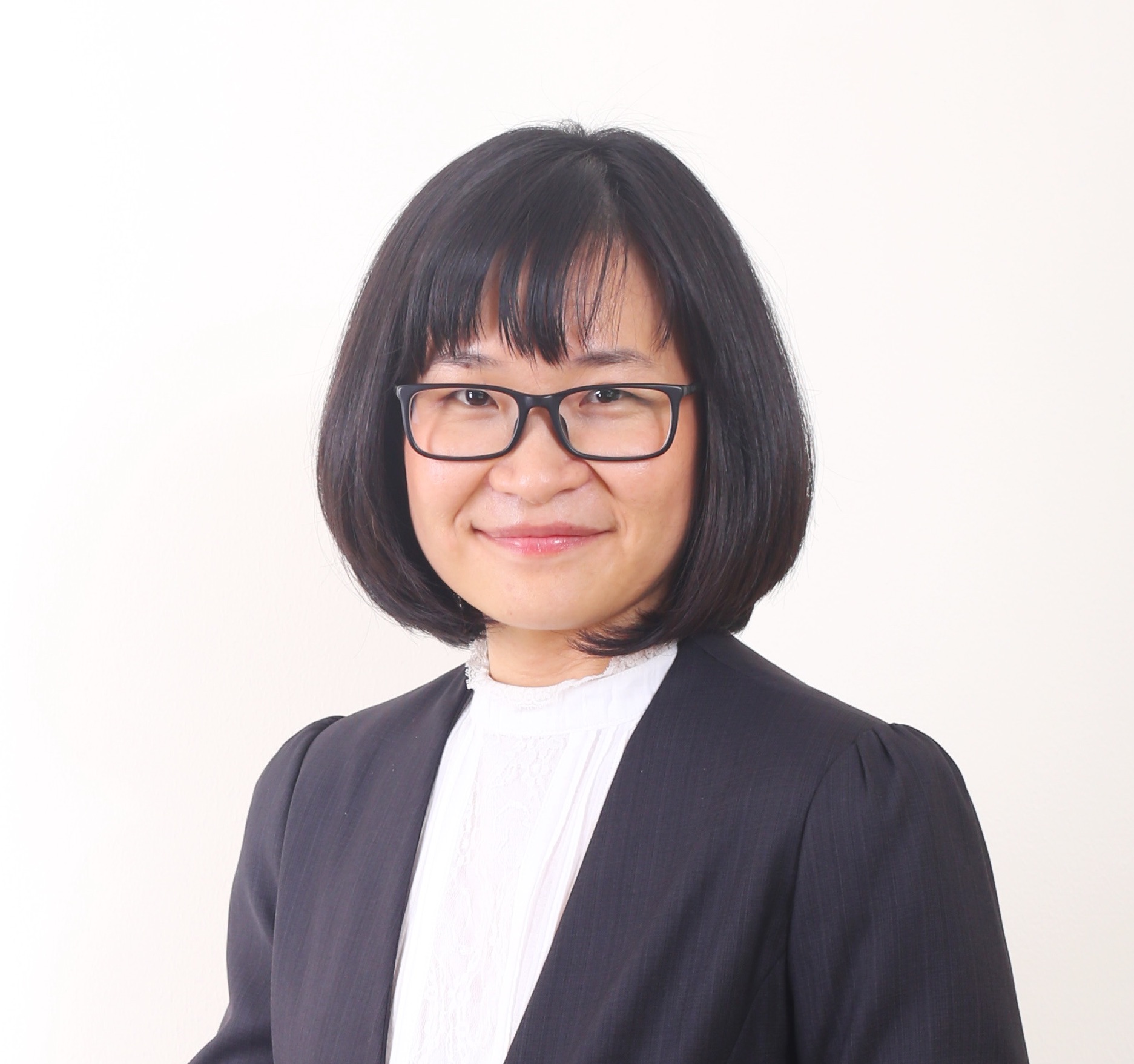
Dr. Monrudee Theeraworawit is Senior Vice President and Head of Corporate Strategy and Sustainability at Bualuang Securities, a designated SET ESG Expert, and ACSDSD Scholar. She holds a Ph.D. in Sustainable Leadership from Mahidol University and lectures on sustainable business strategies.
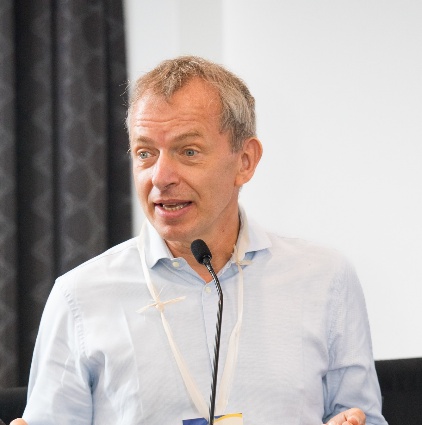
Dr. René Van Berkel is founding co-convenor of the ASEAN Circular Economy Business Alliance (ACEBA), senior circular economy expert for the EU SWITCH-Asia Policy Support Component, and member of the UNEP International Resource Panel with over 35 years of global industrial sustainability experience.
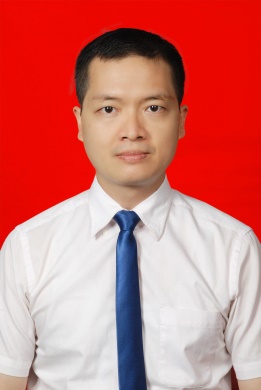
Mr. Cuong Ba Tran is Assistant Director and Head of the Trade Facilitation Division at the ASEAN Secretariat, managing trade facilitation agreements, non-tariff measure reductions, customs modernization, and the circular goods trade agenda.
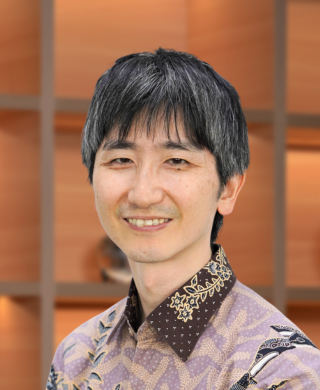
Mr. Keitaro Tsuji is Director for Environmental Policy and Director for the Regional Knowledge Centre for Marine Plastic Debris (RKC-MPD) at ERIA. He previously served as Director for the Joint Crediting Mechanism (JCM) at the Ministry of the Environment of Japan.

Ms. Colette van der Ven is an international trade lawyer and Director of Tulip Consulting with 15+ years of experience analyzing the intersection of trade policy, climate change, and circular value chains for international organizations including ITC, UNCTAD, and the World Bank.
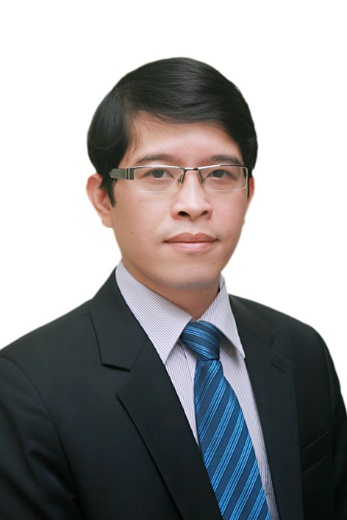
Assoc. Prof. Dr. Nguyen Dinh Tho is Vice President of Vietnam’s Institute of Strategy and Policy on Agriculture and Environment (ISPAE) and Executive Adviser at KPMG. He is a primary architect of Vietnam’s circular economy national roadmap and eco-industrial park frameworks.
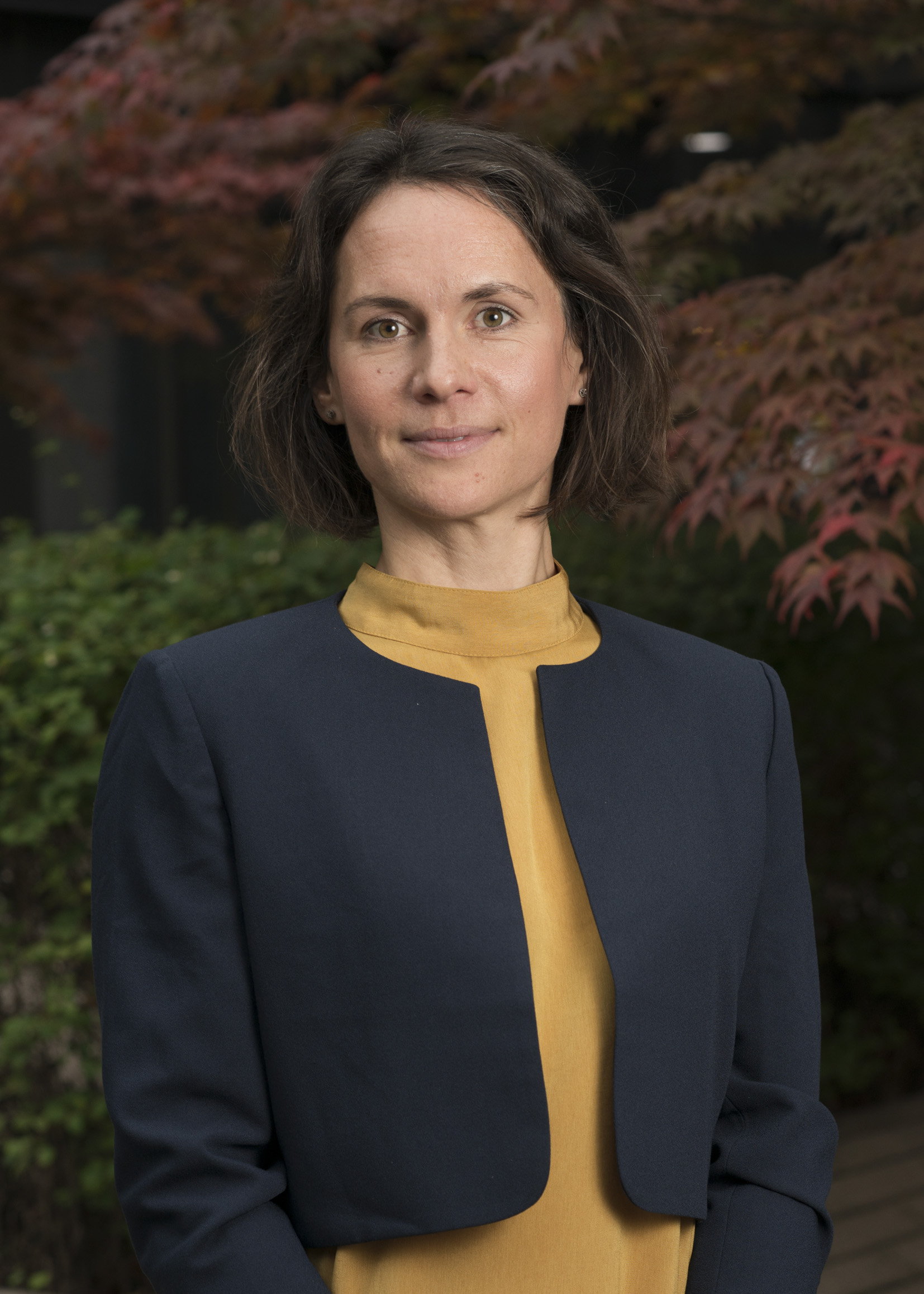
Ms. Marie Jürisoo is Centre Director of SEI Asia and Deputy Director of SEI globally. She is a social science researcher focusing on climate and sustainability policy, behavioral change, and community-led inclusive circular transitions across the Asia-Pacific.
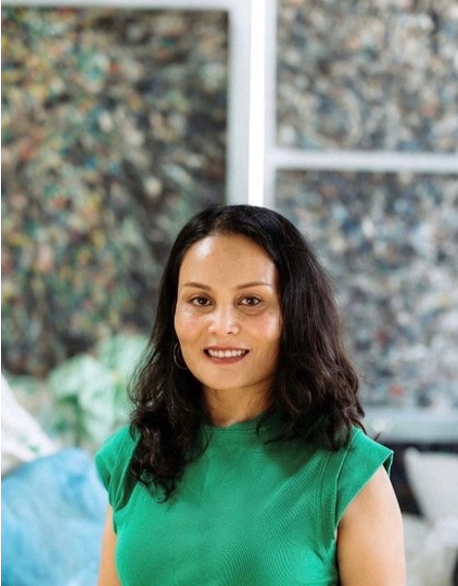
Ms. Viengvilay Phimmasone is Co-Founder and Director of PatiHoub, an inspiring women-led plastic upcycling social enterprise in Luang Prabang, Laos, converting post-consumer plastic waste into durable building panels, furniture, and custom architectural elements.
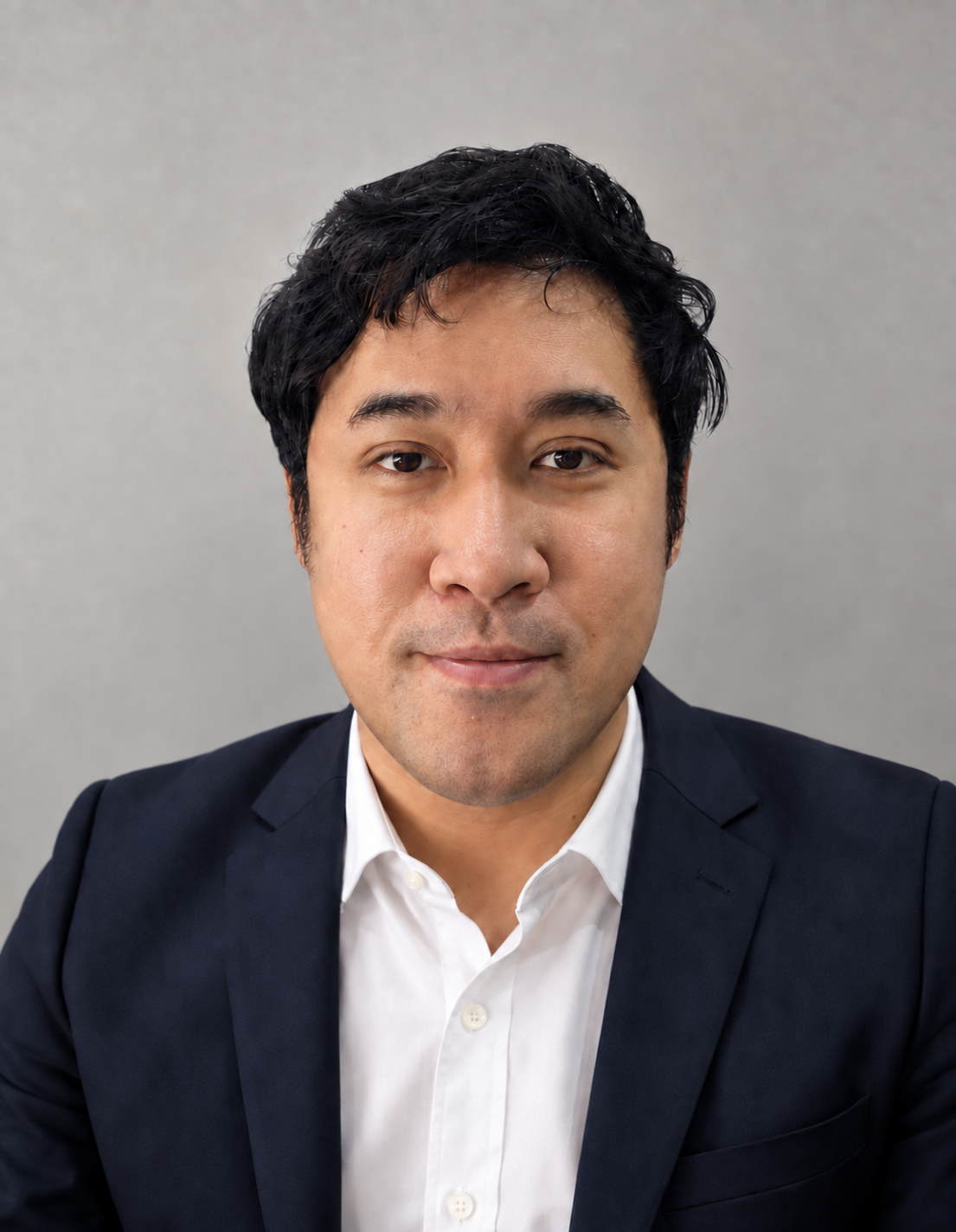
Mr. Panipol Apichitsakul connects Tide Ocean’s closed-loop circular model with responsible sourcing in Thailand, partnering with informal waste pickers to enhance safety, fair compensation, and formal recognition within global supply chains.
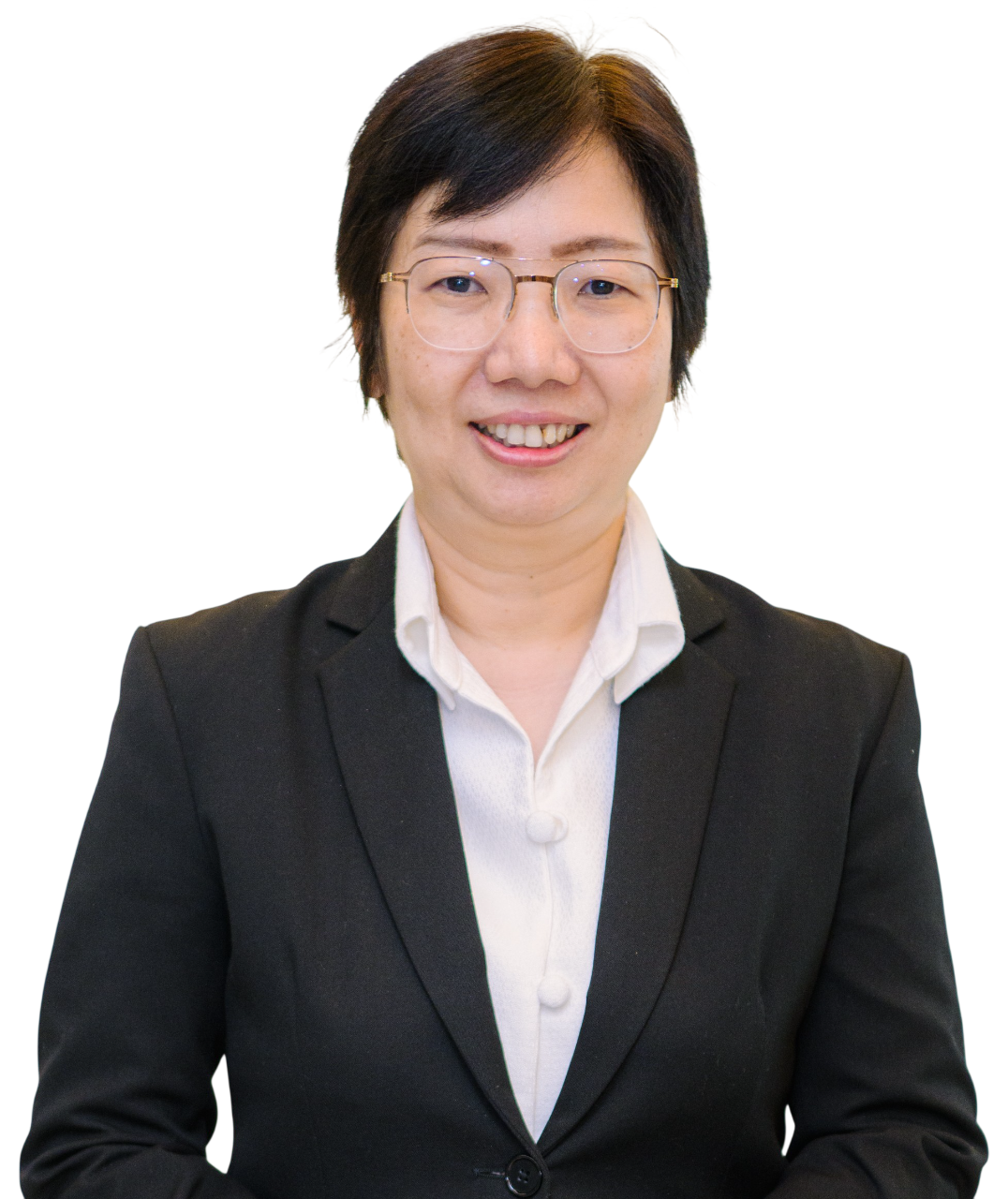
Dr. Warinthorn Songkasiri is Vice President for Research Strategy at KMUTT and pioneer of the Starch Engineering and Process Optimization (SEPO) Program, partnering with TTSA to deliver industrial biotechnology, biogas generation, and the National Net Zero Roadmap for Thailand’s starch industry.

Mr. Hilman Maysa Firdaus is a Policy and Program Planner at the Ministry of MSMEs of Indonesia and member of ACCMSME, advancing cross-government policy frameworks, entrepreneurship development, and inclusive circular economy cooperation in ASEAN.
Ms. Maharti Rihana is the Regional Project Coordinator for the EU-ASEAN SCOPE Trade project at ITC, facilitating SME capacity building, cross-border trade readiness, and circular value chain integration across Southeast Asia.
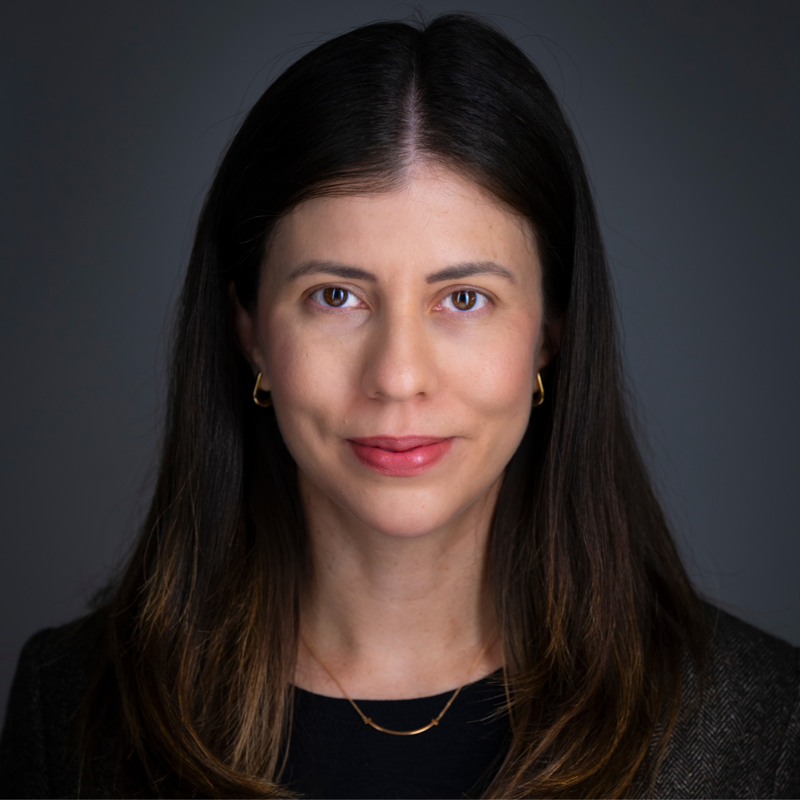
Ms. Ana Batalhone is Programme Officer for Green and Inclusive Value Chains at ITC, empowering smallholder enterprises, MSMEs, and rural cooperatives to adopt circular business practices and connect with international markets.
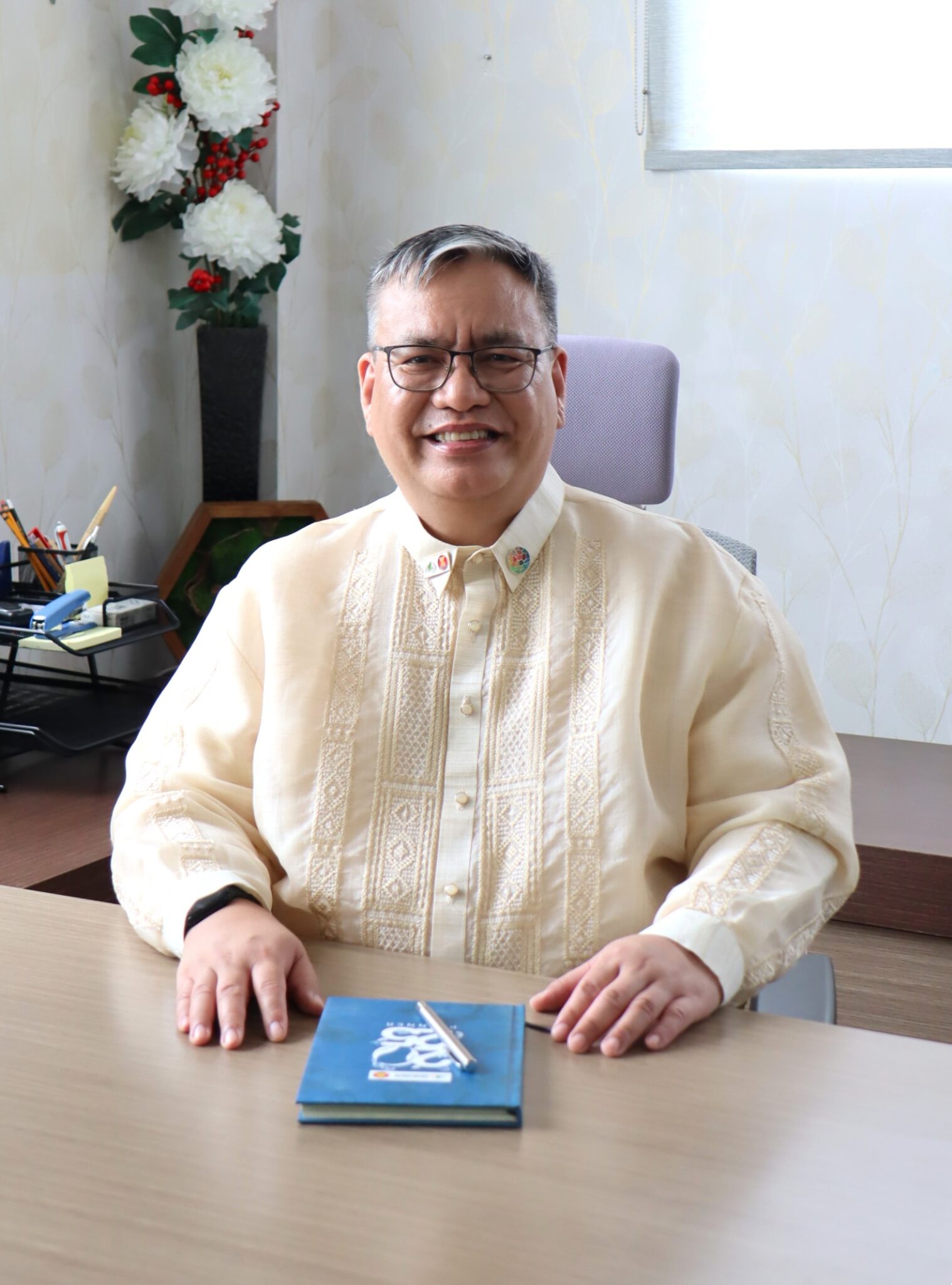
Dr. Jerome L. Montemayor is Executive Director of the ASEAN Centre for Biodiversity (ACB), championing nature-positive and community-led circular business models that foster sustainable natural resource use while safeguarding ASEAN’s biodiversity.
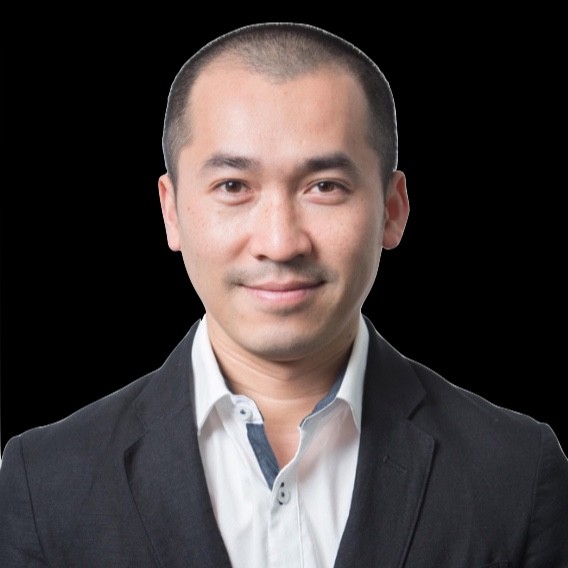
Dr. Thien Ngo represents Advanced Recovery Conversion (ARC) Vietnam, providing practical insights into SME recycling technologies, waste-to-resource business models, and trade barriers encountered by circular enterprises.

Ms. Ulrike Sengstschmid is an environmental and trade policy specialist with the EU-ABC, facilitating multi-stakeholder dialogues between European corporate innovators and ASEAN policymakers on digital traceability and supply chain compliance.
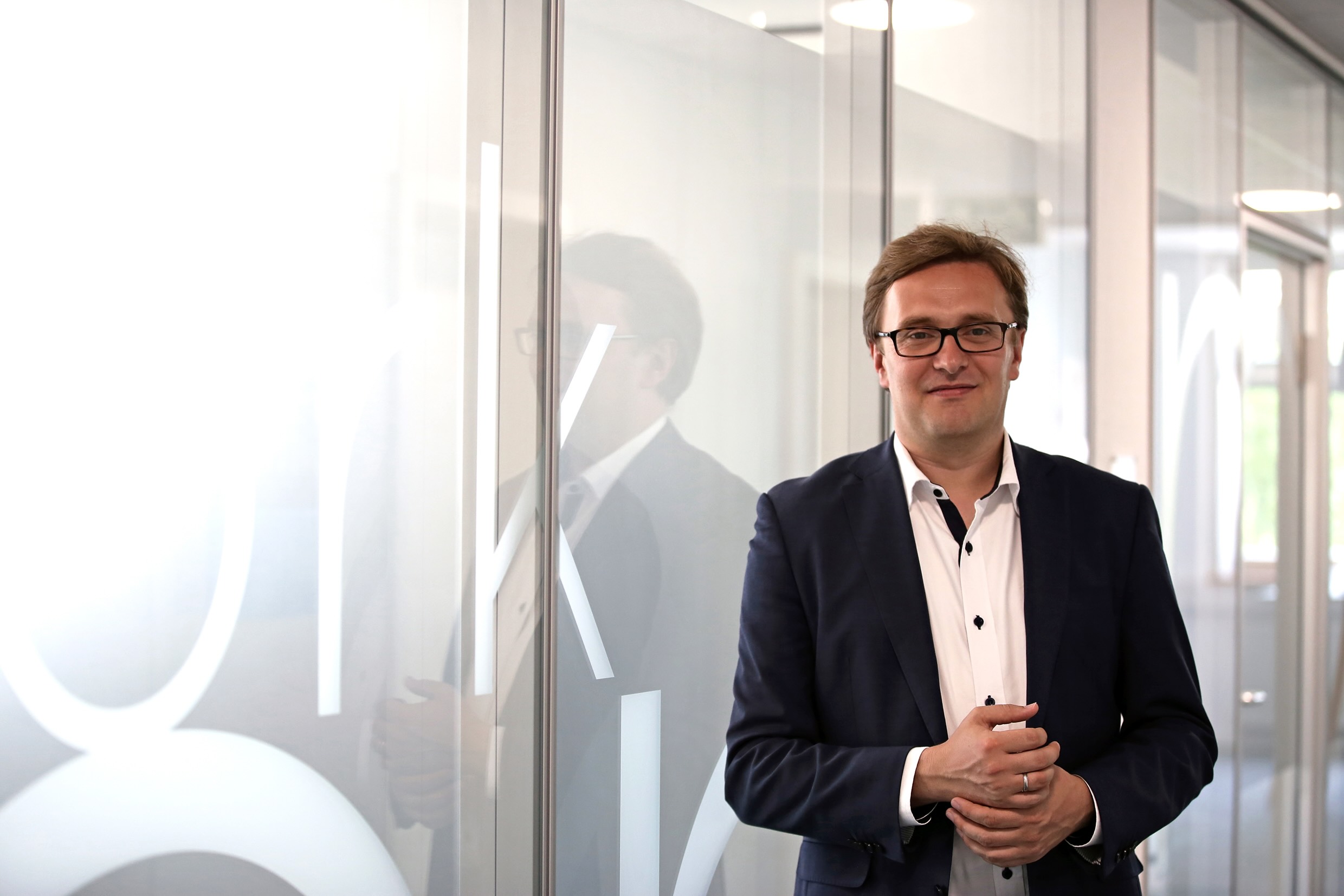
Prof. Dr. Henning Wilts heads the Circular Economy Division at the Wuppertal Institute (Germany). His research investigates transformative circular models, digital product passports, data-driven waste prevention, and circular infrastructure economics.
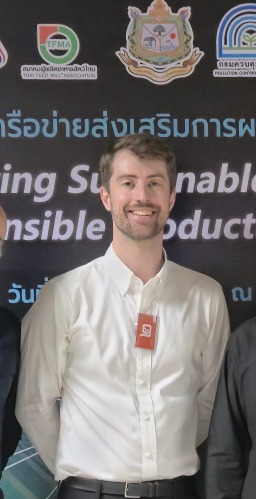
Mr. Adrien Guilbaud is a sustainability and digitalization specialist at cBrain, with project experience across Europe, Africa, and Asia. He advises governments on digital public solutions for circular economy governance and regulatory compliance tracking.
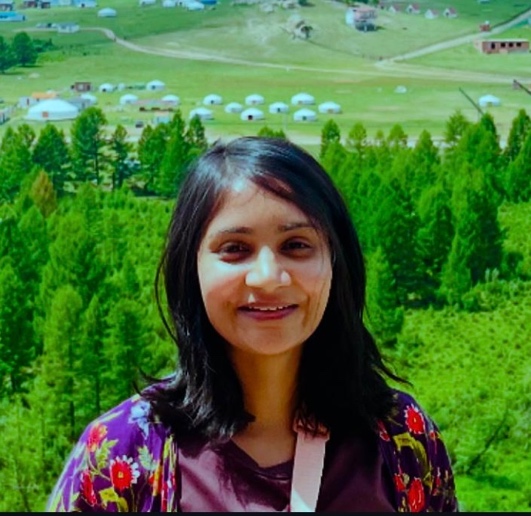
Ms. Harshita Mehta is Circular Economy Lead for Asia and the Pacific at the ITU Telecommunication Development Bureau (BDT), advancing digital solutions, data standards, and e-waste management policies across the region.

Ms. Violy Purnamasari is Co-Founder and COO of Sirsak, an Indonesian green-tech startup providing tech-enabled traceability solutions for packaging waste recovery, transparent collection data, and EPR compliance tracking.

Ms. Charlotte Camille Turk is Asia Regional Investment Lead at GGGI with 15+ years of experience in climate finance, structured debt, and project finance across 16 countries, structuring bankable circular and green infrastructure projects.
Mr. Alexander David Nash is Principal Urban Development Specialist at the Asian Development Bank (ADB), leading circular economy investments, municipal waste financing facilities, and regional blended finance initiatives.
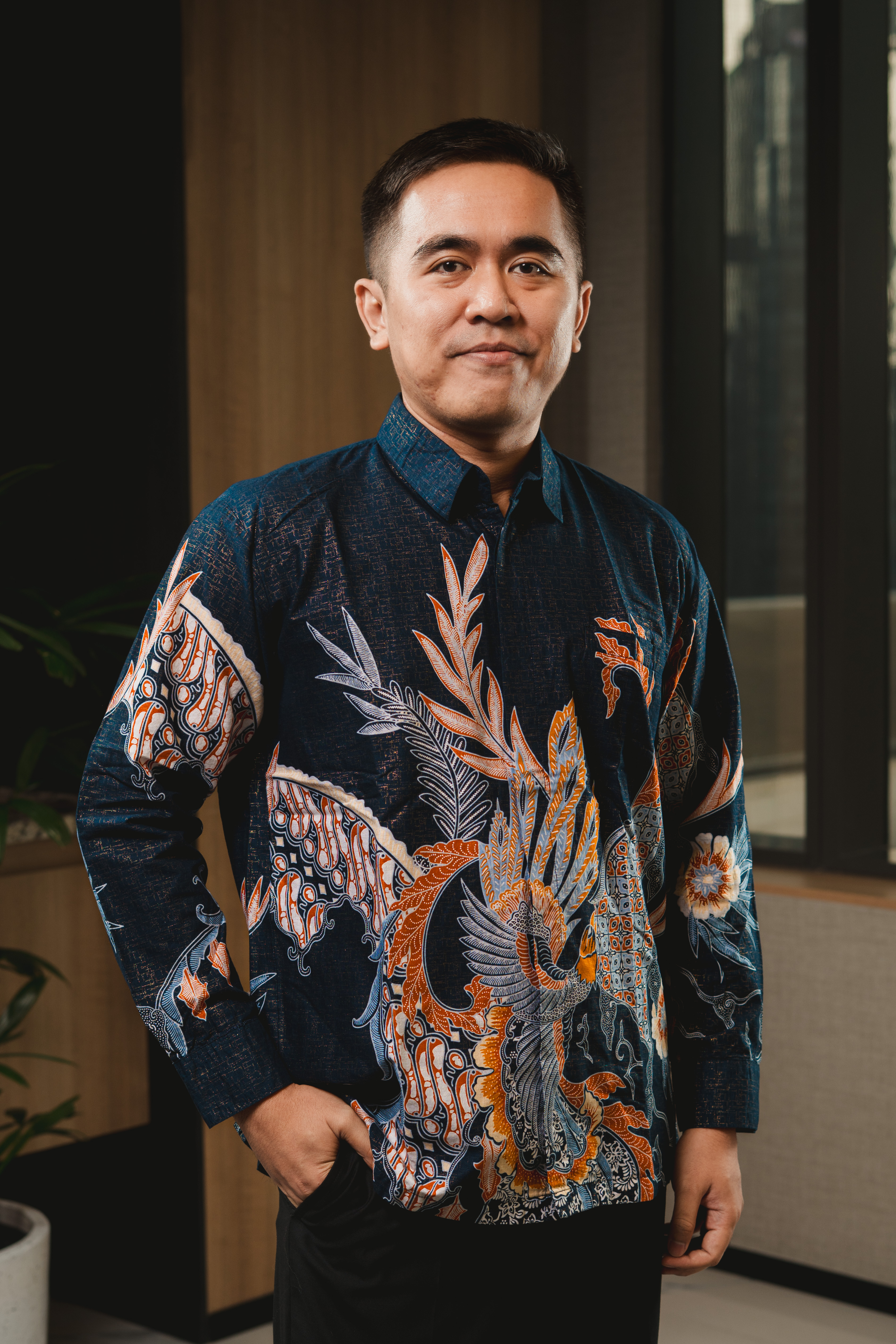
Mr. Dedy Mahardika is an Associate Operations Officer at IFC’s Manufacturing, Agribusiness & Services team, supporting corporate decarbonization roadmaps, industrial energy efficiency, and transition finance instruments in hard-to-abate sectors.
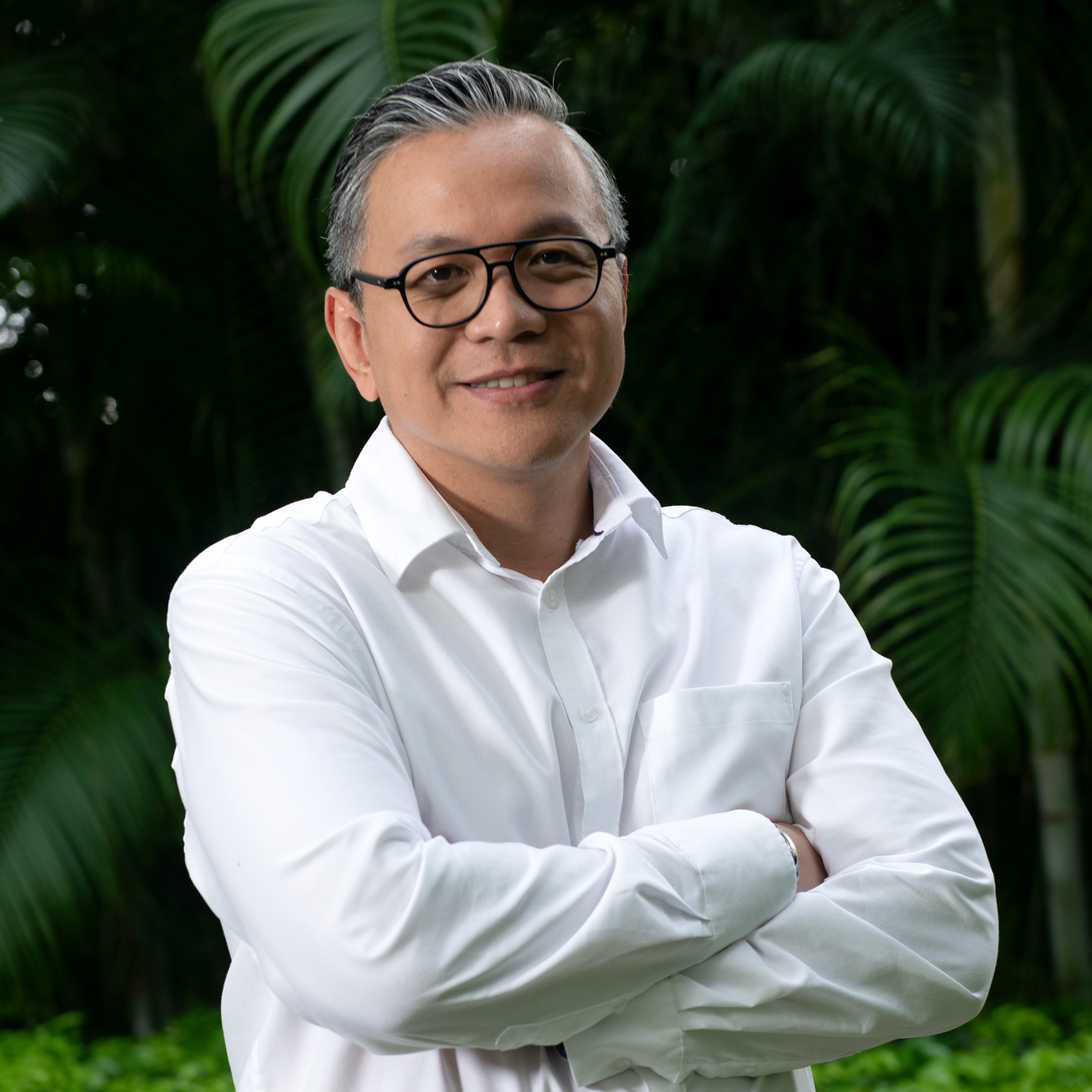
Mr. Dondi Hananto is Investment Partner for Southeast Asia at Circulate Capital with 25+ years in venture capital and impact investing, leading equity and debt investments into innovative circular enterprises in plastics, recycling, and waste reduction.

Mr. Tayakorn Jitrakuldhacha is Director of the Bond Department at the Securities and Exchange Commission (SEC) Thailand and contributor to the ASEAN Taxonomy Board, overseeing regulations on ESG bonds, green transition finance, and sustainability disclosures.
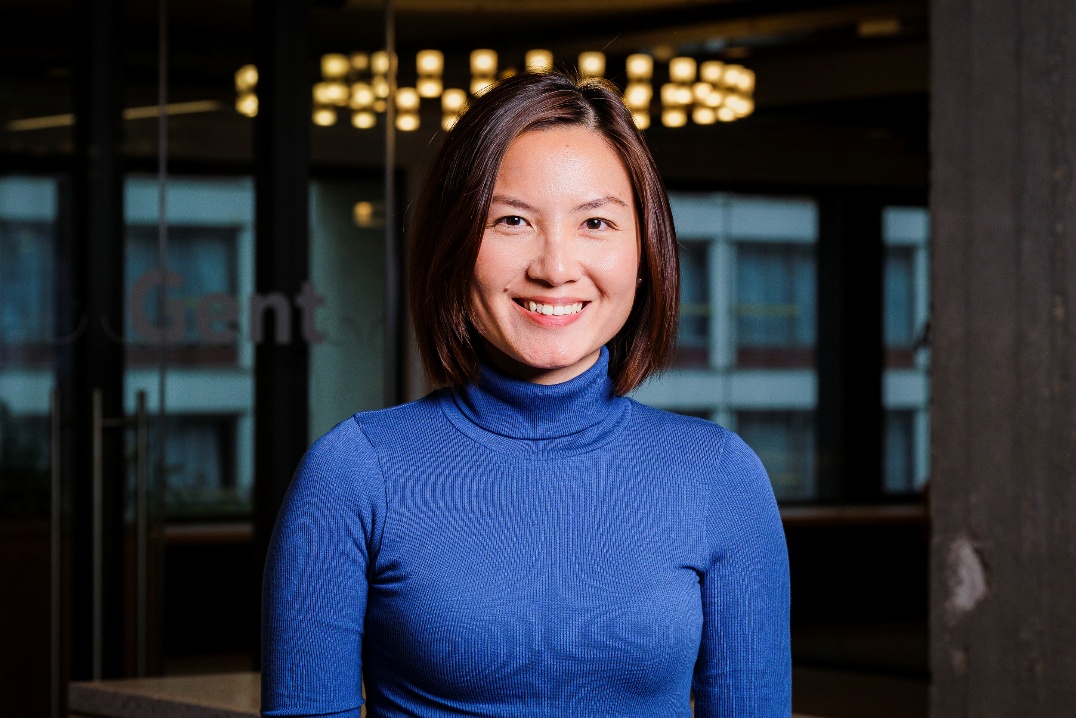
Ms. Jazlyn Lee Fei Yee is Senior Non-Key Expert with TAF-GTEI supporting the ASEAN Coordinating Committee on Micro, Small, Medium Enterprises (ACCMSME) in establishing the ASEAN Centre for Sustainable MSMEs and ESG access.
Specialized technical seminars, business innovation showcases, and capacity-building workshops hosted by international partner organizations.
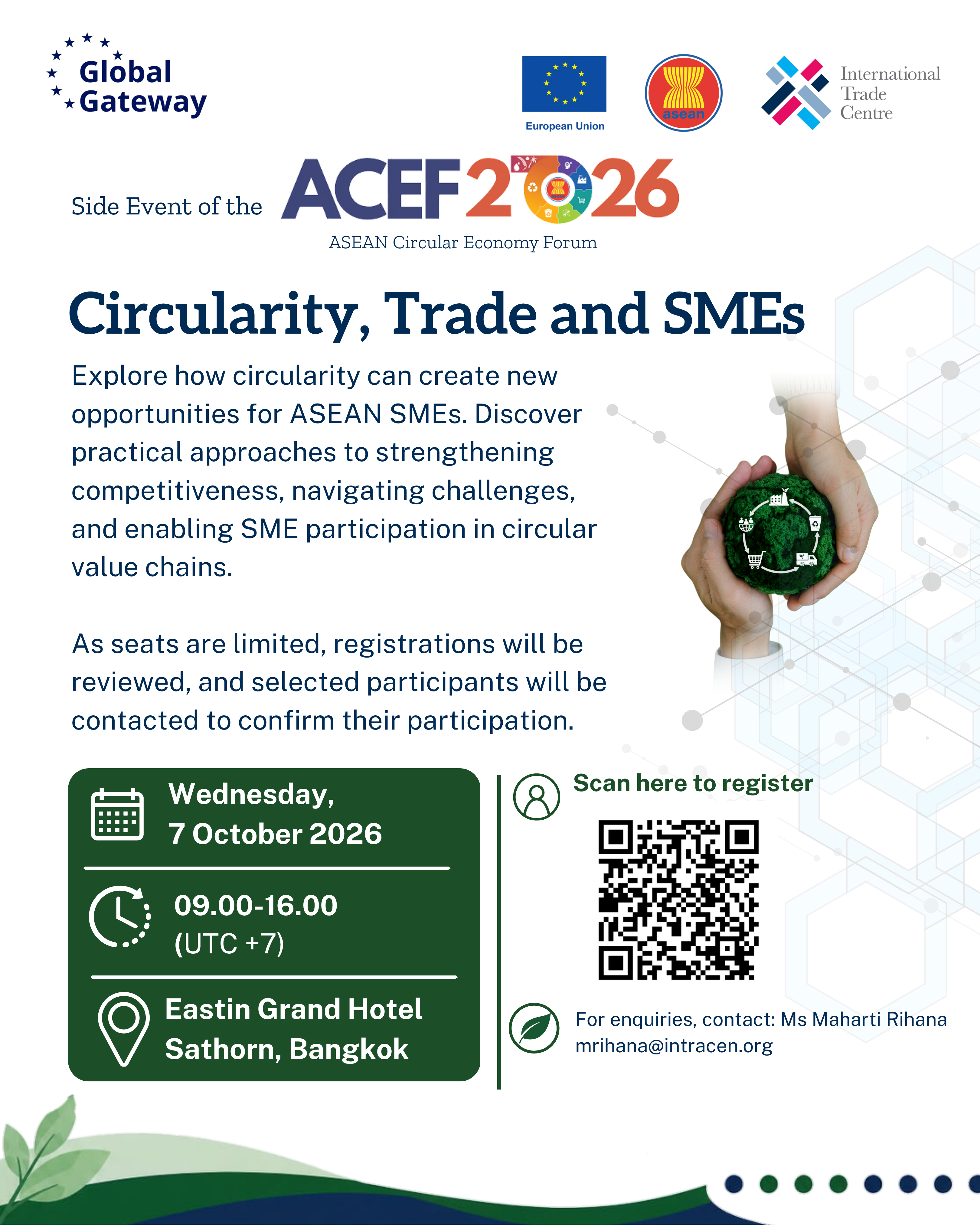
Explore how circularity can create new opportunities for ASEAN SMEs. Discover practical approaches to strengthening competitiveness, navigating international market challenges, and enabling SME participation in sustainable circular value chains.
Registration for this workshop is now closed as the session has commenced.
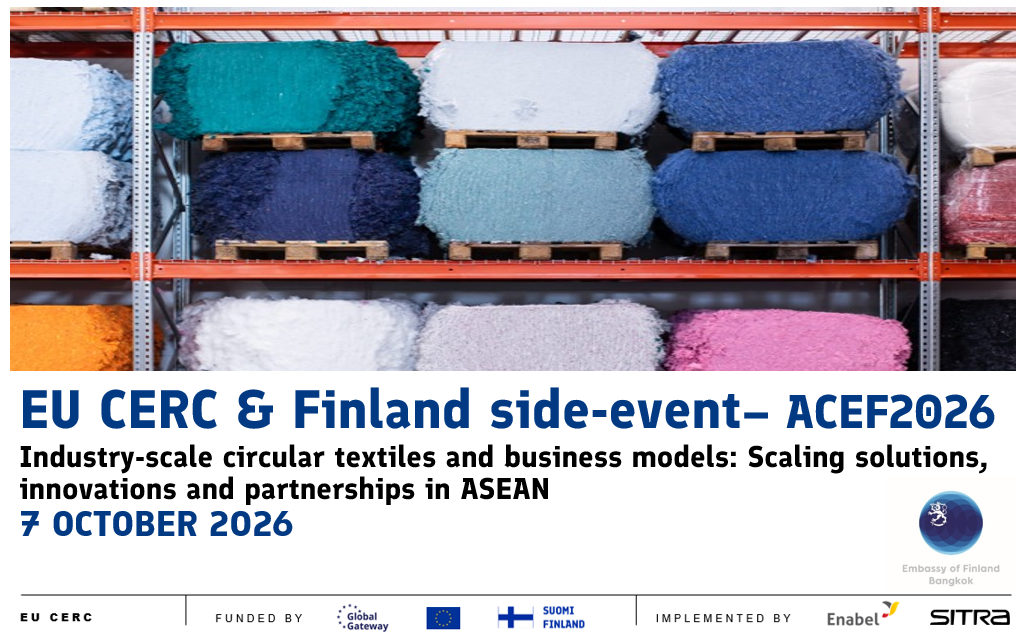
The 4th edition in the Finland-led ACEF side event series bringing together ~120 business leaders, investors, and policymakers to scale commercially proven circular models across Southeast Asia. Focuses on industrial-scale circular textile ecosystems, product-as-a-service models, and waste-to-resource innovations in response to regional resource challenges (<3% waste recycled) and European market access requirements (CEAP, ESPR).

As global markets increasingly adopt circular economy principles, ecodesign and Digital Product Passport (DPP) requirements are becoming important considerations for businesses seeking access to European markets. This interactive workshop introduces participants to ecodesign principles, explores practical implications for ASEAN export value chains, and applies concepts through hands-on readiness assessment tools and regional peer exchange.
Recommendations for facilitating trade under the upgraded ASEAN Trade in Goods Agreement (ATIGA). Explore private-sector partnerships, clear definitions and standards for circular economy products, and strategic FTA provisions to reduce compliance uncertainty and accelerate regional circular value chains.
Registration for this technical seminar is now closed.
The Industry Advisory Panel (IAP), established under the ASEAN Focal Group for Circular Economy (FG-CE), brings together industry, practitioners, and knowledge partners to provide practical perspectives on implementing the Framework for the Circular Economy for the ASEAN Economic Community. Strategically scheduled alongside ACEF 2026, this full-day session brings private sector leaders together to share experiences, address operational barriers, and discuss opportunities for scaling circularity across ASEAN.
Registration for this parallel session is now closed.
Key policy and market questions shaping the high-level dialogues and interactive sessions at ACEF 2026.
Where does ASEAN stand today in its circular economy transition, and what global economic trends are shaping the regional agenda?
What should be the top policy priorities, regulatory harmonisation milestones, and strategic opportunities for ASEAN over the next 3–5 years?
How can ASEAN translate the regional vision into measurable national strategies, leveraging lessons from national experiences such as the Philippines' EPR system?
How can ASEAN better align circular economy objectives with international trade compliance (e.g. EU CBAM, PPWR, supply chain due diligence) to enhance export competitiveness?
What regional trade policies, Green Public Procurement (GPP) instruments, and ISO CE standards are needed to build well-functioning cross-border secondary materials markets?
How can public and private capital be unlocked at scale through blended finance, sustainability-linked debt, and coherent regional taxonomies?
How can informal waste workers, women, youth, and MSMEs be empowered in circular value chains through green skills training and environmental education (AWGEE)?
What digital solutions (Digital Product Passports, producer registries, open data sharing) are essential to monitor and track progress under the ASEAN Circular Economy Framework?
Convened by regional institutions, international development organisations, and knowledge partners across ASEAN and Europe.
Leading the forum coordination, strategic design, and regional policy alignment.
ASEAN Centre for Sustainable Development Studies and Dialogue & ASEAN Circular Economy Stakeholder Platform.
Environment Division (ED) and Analysis & Monitoring on Finance and Socio-Economic Division (AMFSED).
EU Delegation to ASEAN and EU–ASEAN Green Team Europe Initiative programmes.
Royal Danish Embassy in Bangkok & Jakarta supporting circular transition dialogue.
Leading programme curation on Circular Economy Policy, industrial transition, and matchmaking.
Contributing to secondary materials markets, circular value chains, and sustainable finance.
Contributing specialized technical sessions, business networks, and enterprise scaling workshops.
Co-hosting the ASEAN SCOPE Trade side event and co-leading the MSME circular transition session with ACCMSME.
Finnish Embassy in Bangkok, Business Finland & SITRA bridging World Circular Economy Forum (WCEF) insights and hosting a side seminar.
ASEAN Business Advisory Council bridging regional private sector perspectives and market enablers.
EU-ASEAN Business Council representing European business networks in Southeast Asia.
Deutsche Gesellschaft für Internationale Zusammenarbeit supporting circular economy initiatives, traceability, and sustainable transition in ASEAN.
2026 ACEF Bangkok brings together the full spectrum of ASEAN's circular economy stakeholder community.
Official registration status for the 2026 ASEAN Circular Economy Forum.

Online delegate registration for the 2026 ASEAN Circular Economy Forum (2026 ACEF) in Bangkok is now officially closed as the forum proceedings have commenced. You are warmly invited to watch the live sessions via our official broadcast.